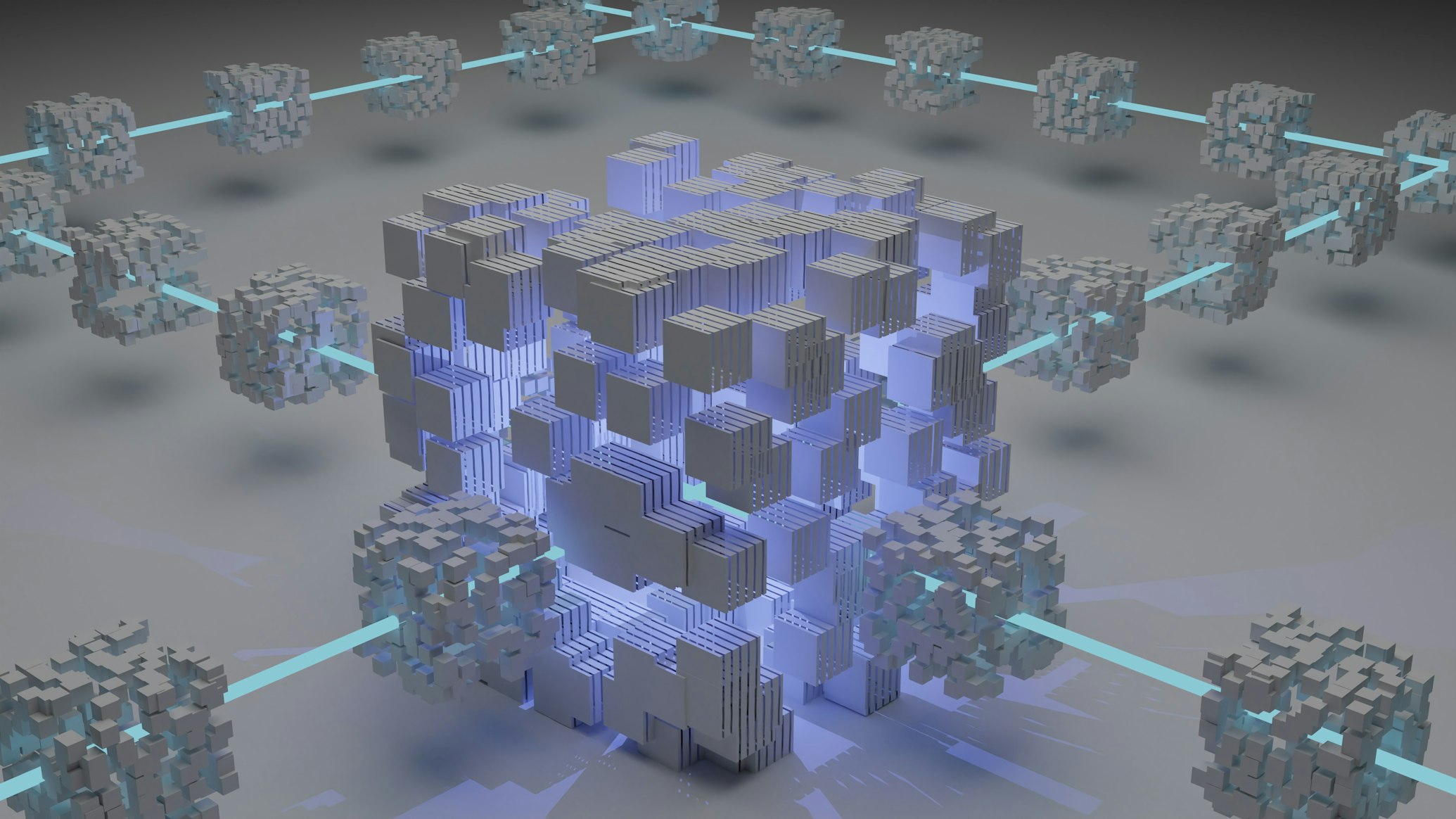
I’ve been watching GitHub Copilot evolve, and the latest announcement about Project HydraFusion represents a significant shift in how AI coding assistants work. Instead of forcing you to choose between models, HydraFusion makes that choice automatically, orchestrating multiple models across a single task. It’s the kind of innovation that quietly changes everything about the developer experience.
Here’s what makes this different: you no longer pick between Claude or GPT models. You select HydraFusion, and it handles the complexity behind the scenes. The system evaluates your coding task and decides which execution pattern makes sense. Should it use a single, efficient model? Route to a more powerful one if the first attempt fails? Or add an independent critique to catch subtle issues? HydraFusion treats this as an optimization problem, balancing quality, cost, and latency automatically.
The Three Patterns That Matter
The orchestration engine currently selects from three execution patterns. Single mode preserves speed when one model can solve the task directly. Cascade gives an efficient model the first attempt while keeping a fallback to stronger inference if the first pass doesn’t clear quality gates. Critique adds an independent review for tasks where fresh perspective outweighs just trying again harder.
This maps directly to how experienced developers already work. You draft code yourself, ask a colleague to review it, or escalate complex problems to specialists. HydraFusion codifies that familiar workflow into runtime decisions. The selectivity here matters: the system only invokes additional model calls when they’re likely to improve results. That’s not just clever engineering; it’s what makes the approach economically viable.
I think about the implications for developers evaluating AI tools. You’re not locked into one model’s strengths or weaknesses anymore. You get adaptive quality routing. On TerminalBench 2.1, HydraFusion matched Claude Opus 5’s quality while reducing estimated workflow cost by 67 percent. On DeepSWE’s repository-level tasks, it came within 1.5 percentage points of Opus while cutting costs by 36 percent.
Those aren’t just benchmark numbers. They’re signals about what’s possible when you orchestrate intelligently instead of defaulting to the most capable model for every task.
The Operational Complexity Hidden Beneath
Building this required solving non-trivial problems. How do you maintain repository state across multiple model invocations? How do you handle permissions consistently when different models make changes? How do you track costs and diagnostics without overwhelming the developer?
GitHub built five operating principles to manage this: capability-driven routing, permission-aware execution, transparent cost accounting, fault tolerance with graceful degradation, and repository-level consistency. Internally, the system logs the role, outcome, cost, and latency of each execution leg. Externally, the developer gets one coherent response and one permission-aware changeset. That’s the hidden contract that makes multi-model orchestration practical.
The evaluation methodology reveals something interesting too. GitHub didn’t optimize for a single benchmark. They iterated across TerminalBench 2.1, DeepSWE, and CheckpointBench, an internal benchmark built from real Copilot sessions. That last one matters because it’s grounded in actual developer workflows, replayed against specific repository commits. It’s the closest thing to production validation before launch.
One detail caught my attention: the research preview works best for first-turn, single-prompt coding tasks today. Multi-turn sessions are next. That’s honest scoping. The team knows where the current approach is strong and where it needs refinement.
What This Means for the Industry
The broader pattern here is worth recognizing. We’re past the era where one model dominates all workloads. The frontier keeps advancing, and different tasks genuinely benefit from different approaches. HydraFusion doesn’t solve that fragmentation by declaring a winner. It embraces it through intelligent routing.
As new models arrive in Copilot, the system can evaluate them and incorporate their strengths for tasks best suited to them. That’s infrastructure for a genuinely heterogeneous AI future, not a monoculture.
I’m interested in how this shapes developer expectations. Once you experience automatic model routing that cuts your costs while maintaining quality, defaulting to the most powerful model for everything starts feeling wasteful. That pressure cascades through the industry: clearer economic incentives for specialized models, deeper focus on routing architectures, and less obsession with absolute frontier capability at the expense of everything else.
The question isn’t whether one model is smarter than another anymore. It’s whether your system knows which model to call when.